




Why judge-only trials won’t fix court backlogs
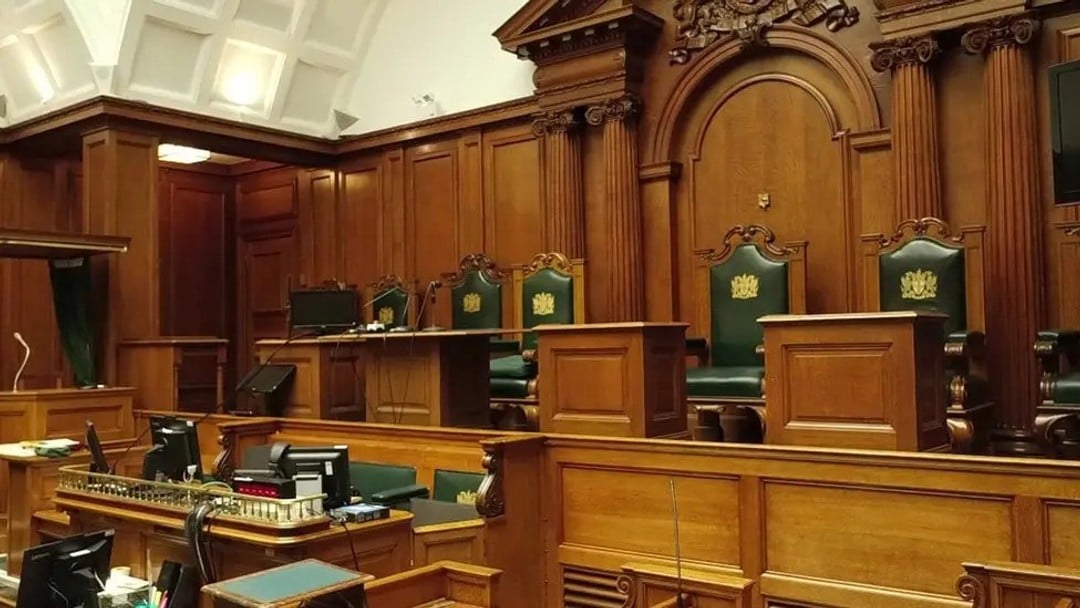
Proposals to curb jury trials risk fairness, worsen delays, and ignore the real causes of Crown Court backlogs
It is unclear how or why David Lammy and his advisors have concluded that restrict jury trials for offences with a likely sentence of three years or less will help to reduce the Crown Court backlog. To date, no data has been published to evidence that juries are the cause of (or even contribute to) the backlog. In my experience, juries have contributed nothing to the backlog, rather it has been caused by years of chronic underfunding by successive governments. Delays are caused by a lack of judicial sitting days, a lack of Counsel, a lack of adequate court facilities and defendants not being brought to court on time (or at all). It is unclear how removing juries will speed up trials.
It is also unclear how judges trying cases on their own are going to speed up trials when one of the causes of the delays is a lack of sitting days. Although appearing to commit to increasing sitting days, the Justice Secretary has not given a figure to such an increase, so it is unclear how much effect this is really going to have in practice. Indeed, having more judge-only trials might actually increase delays. At present, judges are able to deal with other matters whilst juries are out deliberating. They will not be able to do that when they do not have a jury. Further, judges are likely to want to provide written judgments more often to ensure their decisions are well-reasoned, possibly even reserving handing down a judgment to a future date. This is only going to increase timeframes for making decisions, both in terms of judge time engaged and the time parties must wait for a verdict. Has this been considered?
The right to be tried by one’s peers has been an established right for centuries. The Justice Secretary himself advocated for juries in his 2017 report on the treatment of and outcomes for Black, Asian and Minority Ethnic (“BAME”) people in the criminal justice system. He said that a jury of 12 people, representative of the local population, acts as a filter for prejudice as they all come together to discuss the verdict. The requirement for unanimity protects against one person exercising authoritative power, and if unanimity cannot be achieved, allowing for a majority verdict enables an outlying viewpoint to be outvoted. He also said juries helped to secure fair results, by subjecting them to scrutiny, helping to prevent bias. Judges, on the other hand, rarely reflect those who appear before them, which the Justice Secretary concluded is a fundamental source of mistrust in the criminal justice system. Removing juries from a flurry of trials is only going to add to that mistrust. Justice must not only be done, it must be seen to be done.
It is also concerning that the Justice Secretary has seemingly failed to appreciate that this “solution” is likely to push the already struggling prison system to breaking point. Ministry of Justice figures confirm that an increasing number of defendants are being remanded into custody. All Court bail decisions (where a defendant is remanded to a prison) are made by a judge or magistrates. It is therefore difficult not to infer that more defendants are likely to be convicted by a judge, who is more likely to send them to prison. Indeed, Lammy’s review raised concerns that BAME individuals were more likely to be sentenced to prison in the Crown Court. Where is the space going to be found in the already crumbling prison estate for more prisoners?
It is important that justice is done swiftly, particularly for victims. But justice still must be done fairly and that includes for defendants. It is disappointing that the Justice Secretary seems to have forgotten the conclusions of his 2017 review and the importance of juries. In any event, without increased funding, any proposals by the government to fix the criminal justice system are futile.
 Copyright & permissions