


Updates to UK maritime law announced
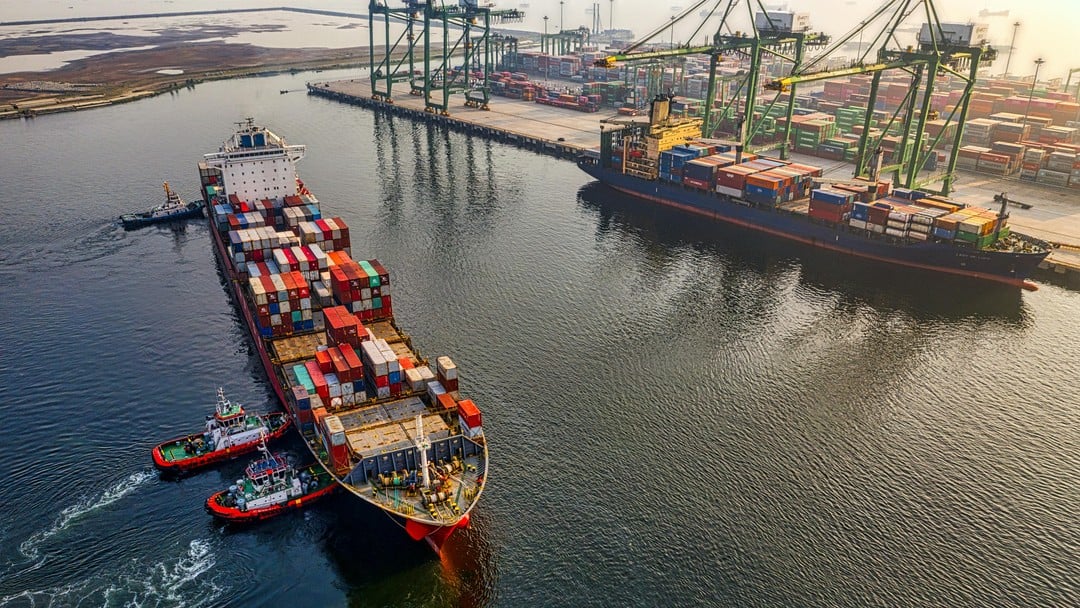
The UK government provides updates on maritime law changes that will take effect from 2026 to improve safety and compliance with international standards
The UK government provides updates on maritime law changes that will take effect from 2026 to improve safety and compliance with international standards
In a recent written statement to Parliament, Keir Mather MP addressed crucial updates to UK maritime legislation in alignment with international maritime law. These changes, slated to come into force on 1 January 2026, aim to enhance maritime safety and pollution prevention measures, fulfilling the UK's obligations as a signatory to key international conventions.
Mather indicated that “the legislation comes into force from 1 January 2026,” reflecting the UK's commitment to update its legal framework in response to international amendments. Notably, the legislation will employ an ambulatory reference to ensure that UK law remains current with any modifications to international maritime obligations.
Several amendments are noteworthy, including enhancements to the International Convention for the Safety of Life at Sea (SOLAS), the International Convention for the Prevention of Pollution from Ships (MARPOL), and the International Convention on Standards of Training Certification and Watchkeeping (STCW). These amendments focus on significant improvements to maritime safety standards and pollution prevention protocols, which have been agreed upon by the International Maritime Organization (IMO).
One of the key changes involves SOLAS Chapter II-1, which will introduce new requirements for lifting appliances and anchor handling winches, reflecting an urgent need for enhanced safety standards within the maritime industry. The new provisions will mandate improved design, maintenance, and testing protocols, thus elevating safety for maritime workers and operations.
Fire safety is another area receiving attention, with amendments to SOLAS Chapter II-2 proposing stricter fire detection and suppression requirements. This includes the prohibition of certain firefighting foams containing hazardous substances and the introduction of updated fire safety measures for various types of vessels, notably ro-ro passenger ships.
Furthermore, the updated regulations incorporate a requirement for the installation of electronic inclinometers on new container ships and bulk carriers of over 3,000 gross tonnage, which is designed to mitigate risks associated with excessive vessel roll motions. These technological advancements are expected to significantly enhance operational safety and reduce the chances of cargo-related incidents.
In a broader context, amendments to the MARPOL Protocol are being introduced to streamline reporting procedures for incidents involving harmful substances, ensuring that maritime regulations are efficient and pertinent to contemporary maritime challenges.
The Maritime and Coastguard Agency has committed to providing additional guidance and resources regarding these substantial legislative changes, emphasising the UK's dedication to remaining at the forefront of maritime safety and environmental stewardship. With these critical updates, the future of UK maritime law will align more closely with international standards, promoting a safer and cleaner maritime environment.
 Copyright & permissions