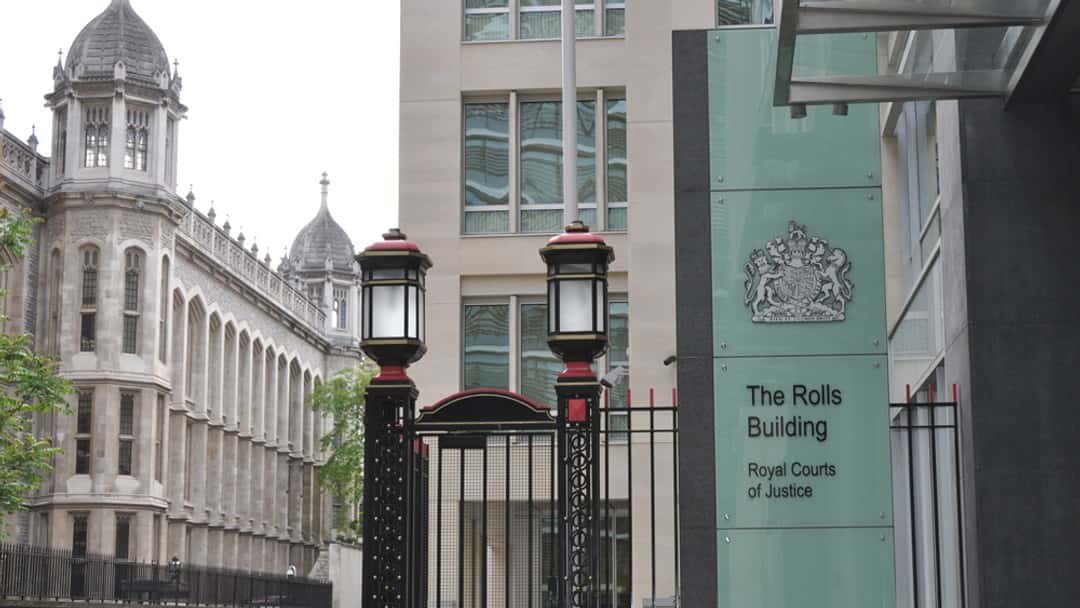
Titan Wealth Holdings v Okunola: Court of Appeal clarifies power to restrain litigant abuse of opposing lawyers
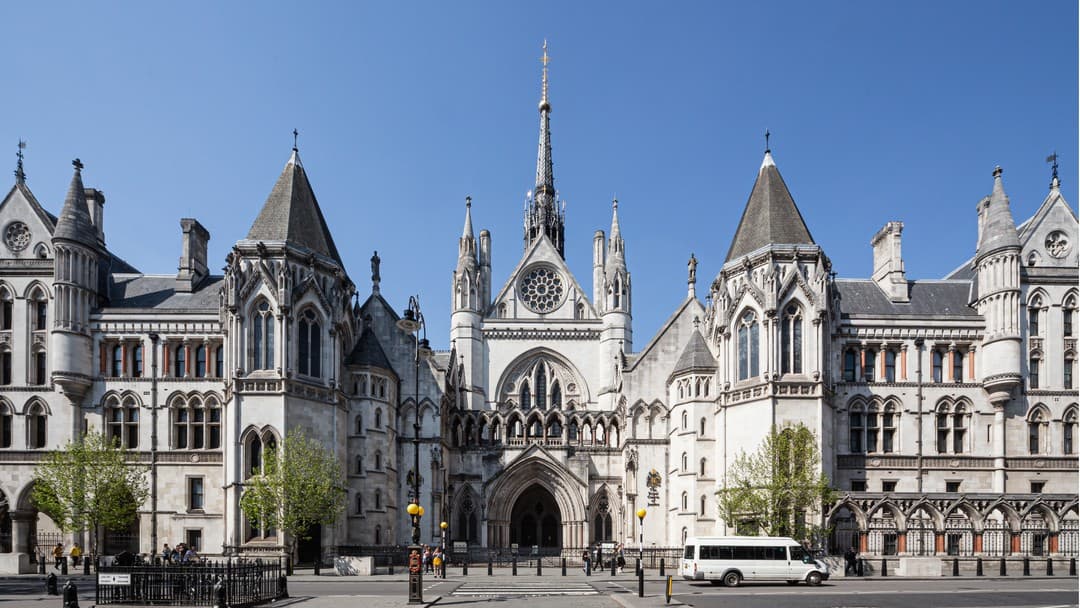
Courts hold inherent jurisdiction to protect proceedings but decline injunction on discretionary grounds
The Court of Appeal has handed down a significant judgement clarifying the scope of the court's inherent common law power to restrain a litigant from abusing opposing legal representatives where that conduct materially threatens the integrity of proceedings. In Titan Wealth Holdings Limited & Ors v Marian Atinuke Okunola [2026] EWCA Civ 138, the Master of the Rolls, Lord Justice Warby and Lady Justice Whipple dismissed the appeal but held that the High Court judge had erred in law by concluding she lacked any jurisdictional basis to grant the injunction sought.
Titan Wealth Holdings brought proceedings against a former consultant and employee for breach of contract, breach of confidence and harassment. Following an interim injunction and a suspended six-month sentence for contempt, the defendant continued sending abusive, sexually explicit and threatening communications to Titan's solicitors, Quinn Emanuel Urquhart & Sullivan, and members of their legal team. The communications were found to have impaired the legal team's ability to represent their clients, adversely affected Titan's conduct of the proceedings, and prevented a witness from giving his best evidence.
Titan sought a further injunction restraining the defendant from abusing their legal representatives. Mrs Justice Hill dismissed the application, holding that no sound jurisdictional basis existed absent a cause of action vested in the claimants.
The Court of Appeal held that Hill J had wrongly treated The Siskina and the cause of action rule as surviving the Privy Council's departure from it in Convoy Collateral and the Supreme Court's confirmation in Wolverhampton that injunctive relief is not always conditional on the existence of a cause of action. The court confirmed that an inherent common law jurisdiction exists to protect the integrity of proceedings in the interests of justice, as affirmed in PMC v Cwm Taf Morgannwg University Health Board [2025] EWCA Civ 1126.
The judgement addresses three significant complicating factors. Where conduct is alleged to amount to criminal contempt, neither article 10 of the European Convention on Human Rights nor the immunity attaching to statements made in the course of litigation would prevent the grant of an injunction. Where contempt is not established, both must be carefully considered. Conduct amounting to pure vulgar abuse with no reference to the proceedings may fall outside the scope of article 10 protection, whilst communications combining abuse with substantive litigation content may attract litigation immunity unless wholly extraneous to the proceedings.
The court declined to grant the relief sought on discretionary grounds. The injunction as originally framed was far too broad; no detailed examination of the correspondence had been undertaken to determine whether contempt, article 10 or litigation immunity were engaged; Quinn Emanuel had an alternative and more straightforward remedy available under the Protection from Harassment Act 1997; and by the time of the trial the proceedings were nearly concluded, rendering a broad injunction a disproportionate instrument.
The revised injunction sought on appeal, framed in the language of the Malicious Communications Act 1988, was also refused. No abusive communications had been sent since the defendant's release from prison, and the conduct sought to be restrained presented no current material risk to the integrity of any proceedings.
The judgement establishes that courts may, in principle, exercise their inherent jurisdiction to restrain serious misconduct by a litigant that threatens the integrity of proceedings, even where that misconduct falls short of a provable contempt. However, any such injunction must be precisely tailored, must engage carefully with article 10, section 12 of the Human Rights Act 1998 and litigation immunity, and ought not to extend beyond what is strictly necessary to protect the proceedings themselves.
 Copyright & permissions

-cropped-a0w29ejw.jpg&w=3840&q=60)