Suspended sentences and automatic exclusion: the UK’s tougher immigration rules
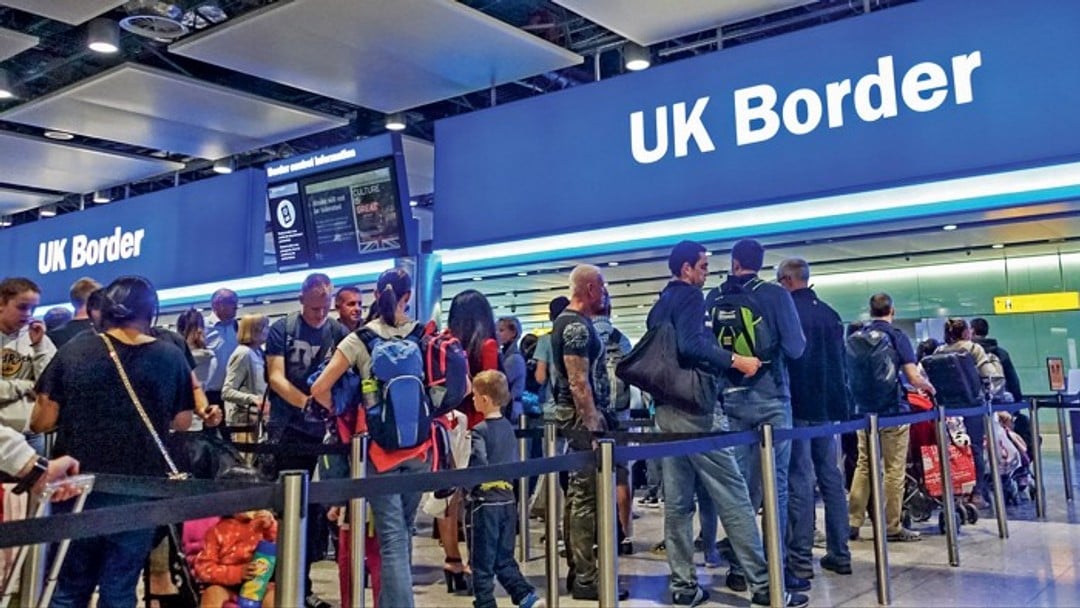
While framed as a crackdown on criminality, the UK's latest changes to the Immigration Rules risk separating families, undermining rehabilitation, and imposing disproportionate consequences for relatively minor offences
Dating isn’t an area I would ordinarily advise on as an immigration lawyer. But if you embark on a holiday romance this summer, before tackling the tricky question of whether you’ve entered relationship territory yet, you may want to ask your date about criminal records. I don’t mean their taste in music. From now on anyone who isn’t British, Irish or settled in the UK and has ever received a suspended sentence of a year or longer can expect their UK visa refused or revoked, regardless of how long ago or where the crime took place.
This dating example isn’t intended to trivialise legislation that will ban many from this country for life. It illustrates the bizarre cruelty of changes to the Immigration Rules implemented on 26 March which will unnecessarily turn people away and tear families in the UK apart.
There is no transitionary provision to protect those already in the UK. These changes to the Immigration Rules and guidance threaten existing relationships, even if a conviction is historic and even if someone was originally granted a visa to live here in full knowledge of that conviction. You could be four years into a five-year spouse visa, just months away from settling with your beloved, and now face the prospect of being torn apart when you apply to settle.
The changes are in line with the Sentencing Act 2026 removing provisions that previously excluded suspended sentences from counting as a period of imprisonment for the purposes of defining a foreign national offender. A sentence of a year, whether suspended or not, would mean automatic liability for deportation - a framework for excluding people from the UK that is significantly more draconian than the threat of mere administrative removal.
Even tax or driving offences may mean a lifetime ban
To put this in context, Manchester United centre-back Harry Maguire was recently handed a 15-month suspended sentence by a Greek court over a brawl in Mykonos in 2020 - arguably a very British rite of passage - which if he wasn't British (or Irish) and wanted to join a football team or a loved one living in the UK would now preclude Harry forever. Again, I don't wish to trivialise the England and Manchester United footballer's fracas. This is just to point out how devastating a minor past misdemeanour may now be for those wishing to make a life for themselves in the UK.
Unveiling this change, which has gone unreported among a spate of other recent draconian immigration proposals from the Home Secretary, Shabana Mahmood said: “coming to the UK from overseas is a privilege, not a right. Any foreign national with a history of crime and violence is not welcome. If you pose a risk to our country, you will be refused entry or removed.”
I wouldn’t wish to name names, but a quick google search of “suspended sentence” and talent from the worlds of sport, cinema, music, business, the arts and other sectors, reveals many celebrated figures who certainly don’t “pose a risk to our country” yet our Home Secretary would now preclude from even visiting the UK due to suspended sentences over tax or even driving offences.
 Copyright & permissions


.png&w=3840&q=60)