


R v CGA & Anor: convictions quashed after jury returns inexplicable joint enterprise verdicts
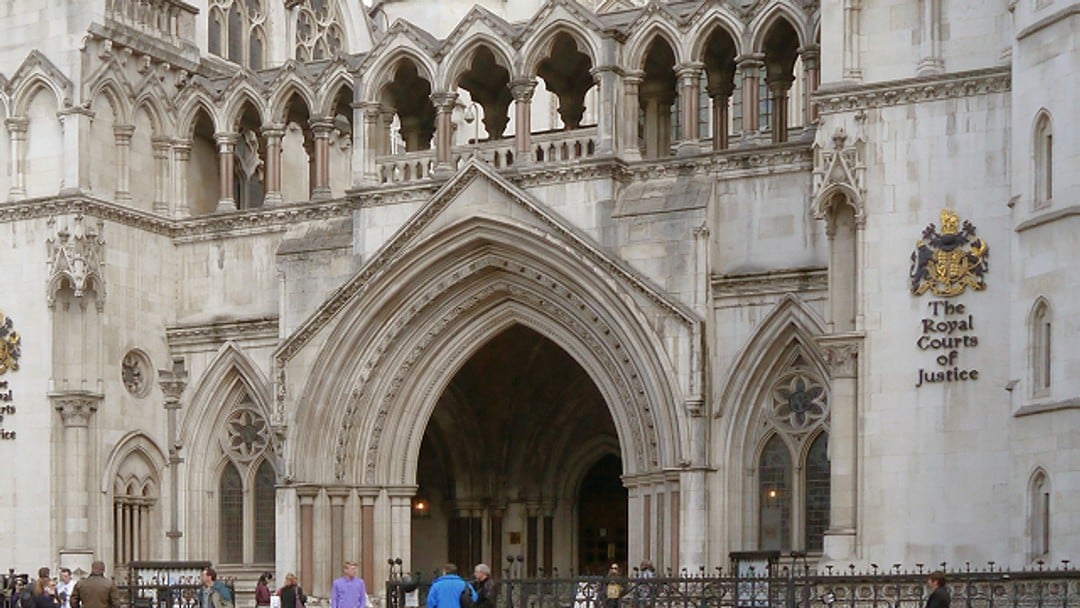
Convictions quashed where jury found both parents guilty of identical injuries with no joint enterprise case.
The Court of Appeal has quashed the grievous bodily harm convictions of both appellants in R v CGA & Anor, finding that the jury's verdicts were irrational and could not safely stand. The case concerned serious non-accidental injuries sustained by a three-month-old child, C, in May 2018 — injuries which the unchallenged expert evidence attributed to between three and five separate incidents of deliberate physical abuse.
The appellants, C's parents, were tried in the Crown Court at Stoke-on-Trent in January 2025 on separate counts under section 18 of the Offences Against the Person Act 1861, with alternatives under section 20 and section 5 of the Domestic Violence, Crime and Victims Act 2004. Crucially, no count charged the appellants jointly. The prosecution was explicit that it could not identify which parent had inflicted which injuries and did not advance any case of joint enterprise or secondary liability.
The jury convicted both appellants of causing the same injuries — the clavicle, right forearm, and left ankle and knee fractures — under section 18, in addition to the skull fracture and bruising. The trial judge, in his sentencing remarks, observed that joint enterprise must have been the jury's conclusion. The Court of Appeal agreed this was the only coherent explanation, but held that it was precisely the problem.
Lord Justice Males, giving the judgement of the court, applied the test from R v Fanning [2016] EWCA Crim 550: whether no reasonable jury, having applied their minds properly to the facts, could have arrived at the verdicts in question. Answering that question required close attention to how the case had been opened, how the evidence had emerged, and how it had been presented at the close — as confirmed in R v Green [2005] EWCA Crim 2513.
The prosecution advanced three theories on appeal. The court rejected each in turn. First, joint enterprise: the prosecution had never put the case this way, no direction had been given on the requirements for joint principal or accessory liability, and there was no evidential foundation for such a conclusion. Second, that one appellant had caused some injuries and the other the remainder: the jury had not returned verdicts on that basis, having convicted both of causing all of the injuries. Third, that each appellant had materially contributed to the same injuries acting independently: this was flatly contradicted by the unchallenged evidence of the paediatric radiologist, who testified that the skull fracture resulted from a single direct impact.
The court observed that section 5 of the 2004 Act exists for precisely this situation — enabling conviction where a jury cannot determine which household member inflicted injury on a child, provided each defendant either caused the harm or was aware of the risk and failed to take protective steps. ZFX had pleaded guilty to the section 5 offence before trial. In CGA's case, no verdict had been taken on those counts following his section 18 conviction. A retrial of CGA on the section 5 counts was ordered; the prosecution's application for a retrial on the section 18, 20 and 47 counts was refused on the basis that the available evidence could not improve.
ZFX, who had served over ten months of a five-year sentence, was granted unconditional bail. Her sentencing on the section 5 offences was deferred pending the outcome of CGA's retrial. The court noted, without deciding, that time served under the now-quashed section 18 sentence may not count automatically towards any future sentence.
The case is a significant reminder of the constraints on prosecuting child abuse cases where two defendants are present in a household but neither can be shown to be the perpetrator of specific injuries. The section 18 route requires the prosecution to prove which defendant caused which harm — a burden that, where the evidence does not support it, cannot be resolved by a jury acting on instinct.
 Copyright & permissions