


Pogust Goodhead wins crucial court ruling
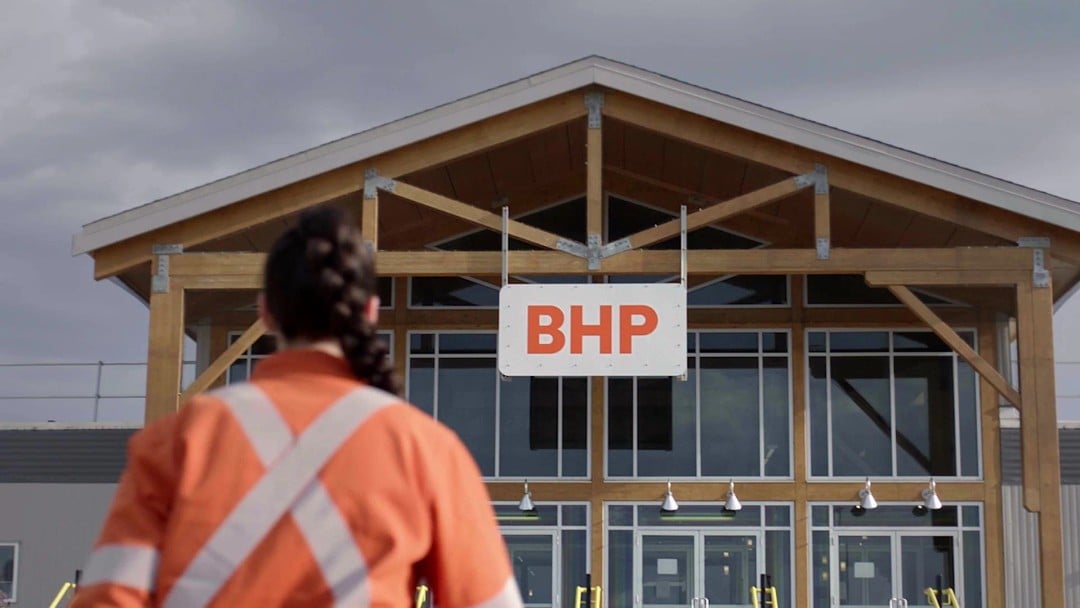
The High Court has dismissed BHP's bid to block evidence-gathering from former Renova chief de Freitas
In a landmark decision, the High Court in London has turned down mining giant BHP’s request for an anti-suit injunction aimed at thwarting Pogust Goodhead’s efforts to gather evidence in the United States. This move comes in relation to testimony from Mr André de Freitas, the former CEO of the Renova Foundation, which was established in the wake of the catastrophic Mariana dam collapse in Brazil. BHP had argued that the application for a deposition of Mr de Freitas was vexatious and sought to disrupt legal processes in England, but the Court firmly disagreed.
The Court concluded that Pogust Goodhead’s application, filed in November 2024 under Section 1782, was a legitimate pursuit of evidence necessary for their ongoing claims. Justice Waksman ruled, “I agree with PG that the depositions serve a distinct and legitimate purpose, being to better understand Renova’s role in relation to the various settlements and their form.” With a ruling from the Arkansas court still pending, the path now appears clear for Pogust Goodhead to proceed with its evidence-gathering initiatives.
In January 2025, the U.S. district court had granted the subpoenas for limited testimony from Mr de Freitas, prompting BHP's subsequent attempts to block the deposition, which included filing motions to quash the subpoenas in April 2025. However, the High Court found that delaying the process was unjustified and noted that “English courts do not control how parties lawfully obtain evidence abroad.”
Pogust Goodhead’s CEO Alicia Alinia welcomed the ruling, stating, “We welcome the Court’s clear judgment. BHP has repeatedly attempted to obstruct legitimate investigations into its conduct. Mr de Freitas’s testimony is central to understanding how our clients’ rights may have been undermined.” She emphasised the imperative of hearing from those involved to ensure that clients’ rights are adequately protected.
The Court noted several critical points, such as the lack of evidence that the deposition would prejudice BHP’s position or disrupt English proceedings. It also remarked on BHP’s delay in filing for the injunction, which had occurred nearly four months after they became aware of the subpoenas. As the legal battle continues, focus now shifts to the U.S. District Court of Arkansas, which must decide on BHP’s motions to quash amidst growing anticipation for the next steps in this significant case.
 Copyright & permissions