


Oxbridge graduates lead pupillage success
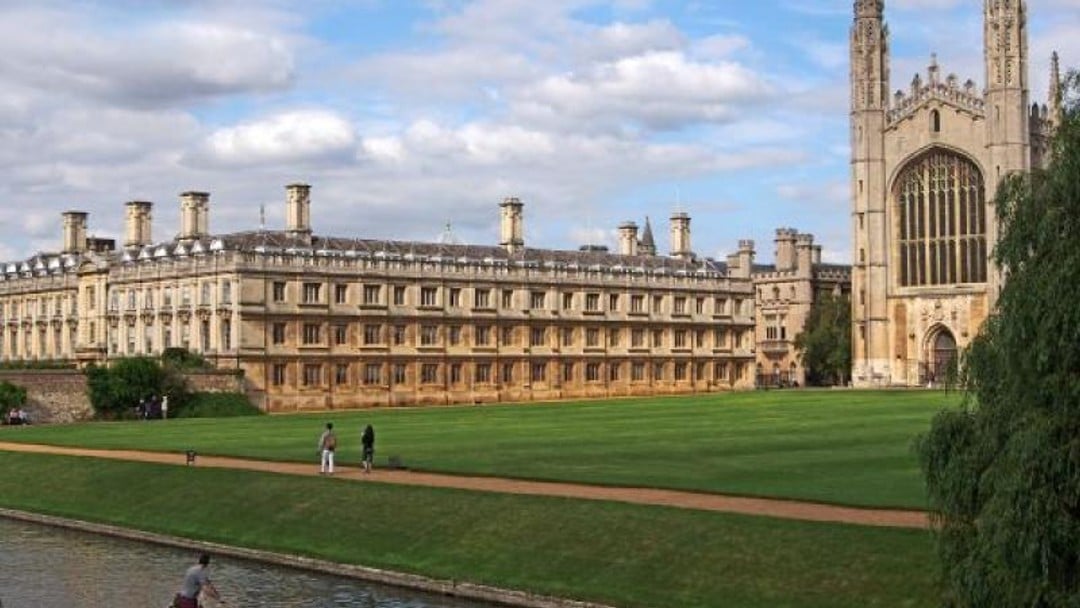
New research shows the dominance of Oxbridge graduates in Bar pupillages highlights ongoing industry biases and competition among aspiring barristers
Recent research indicates that a significant majority of future barristers, comprising 53%, hail from Oxford or Cambridge, with only 11% representing non-Russell Group universities. This trend underscores the persistent demand from employers for graduates of these esteemed institutions, largely driven by client expectations for top-notch representation. Cait Evans, global talent head of research at Chambers and Partners, states “Aspiring barristers face huge competition for pupillages with top academics from a prestigious university a prerequisite at most top sets.”
The findings reveal that while academic excellence is pivotal, with 77% of pupil barristers achieving first-class honours degrees, half of the candidates studied non-law degrees, frequently in history, modern languages, and classics. Additionally, pupils from fee-paying schools remain overrepresented at 42%.
Interestingly, only 6% of pupils selected their career due to financial incentives; rather, the leading motivation cited was “the intellectual challenge” by 30% of respondents, closely followed by the importance of a rewarding career and a desire to “make the world a better place,” both factors highlighted by 16% of pupils.
The report, compiled by Chambers, surveyed 166 pupils and junior barristers in 33 prestigious UK chambers. Findings indicated that the average pupil engaged in six mini-pupillages before securing a position, with each opportunity spanning two to five days. For those successful, the workload averages around 53 hours a week, surpassing the extensive hours typical for solicitors at Magic Circle firms.
In terms of remuneration, the average pupillage award reached £76,000, though fees for those involved in publicly funded civil, criminal, or family law were significantly lower. Despite the rigorous landscape demanding relentless dedication, a remarkable 91% of pupils view the Bar as a lifelong career, actively aspiring to progress to taking silk in their respective sets.
Evans further comments “Oxbridge graduates still predominate and despite considerable efforts to promote social mobility at the Bar, a disproportionate number of pupils still went to fee-paying schools.” This suggests that the path to a career at the Bar is not only competitive but also requires significant financial commitment along the way, solidifying the enduring influence of educational background on this elite profession.
 Copyright & permissions