


Matthew Haydon v R: Court of Appeal clarifies "likely" in explosive substances offences
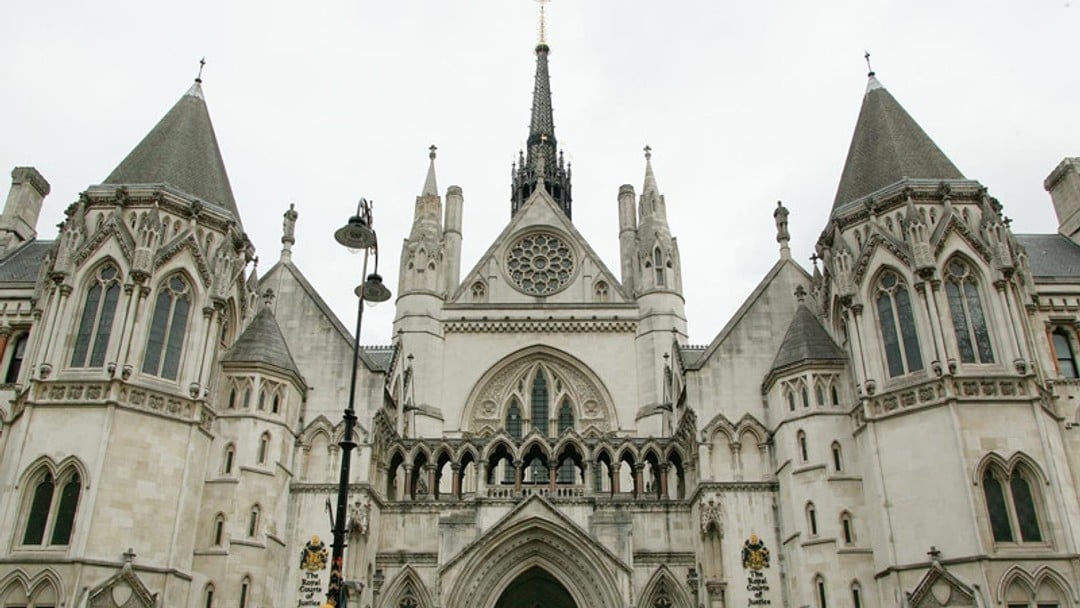
Court confirms "likely" means "could well happen" rather than "more probable than not"
The Court of Appeal has provided important clarification on the interpretation of "likely" in section 2 of the Explosive Substances Act 1883, confirming that the threshold is lower than "more likely than not" and instead means an event that "could well happen".
Matthew Haydon was convicted of causing an explosion likely to endanger life contrary to section 2 of the 1883 Act following a 10-day trial at the Central Criminal Court. He received an extended determinate sentence of 8 years and 6 months.
The appellant had been conducting chemical experiments at his Bedfordshire home, where he manufactured explosive substances including TATP and HMTD - highly sensitive primary explosives with no commercial use. On 10 April 2023, whilst handling approximately 40 grams of TATP, an explosion occurred causing serious injuries to his hands and chest, smashing double-glazed windows and shaking the adjoining semi-detached property.
Police investigations revealed extensive evidence of the appellant's activities, including bulk explosive substances, documentation, chemical precursors and components for improvised explosive devices. His laptop contained guides for explosives manufacture and searches on synthesising HMTD.
The interpretation of "likely"
The primary ground of appeal concerned the trial judge's direction that "likely to endanger life" should be interpreted as "could well endanger life" rather than "more likely than not". The defence argued this set the threshold too low and that the natural meaning of "likely" required a probability exceeding 50 per cent.
Dame Victoria Sharp P, delivering the judgement of the court, rejected this submission. The court held that "likely" is capable of bearing different meanings depending on context. In determining Parliament's intention, courts must consider the purpose of the enactment and reject interpretations leading to consequences Parliament cannot have intended.
Section 2 of the 1883 Act aims to protect the public from serious harm where explosions pose danger to life or property. The court found it inherently unlikely that Parliament intended to sanction explosions just more likely than not to cause fatalities whilst failing to sanction explosions that might well cause fatalities but fall marginally below 50 per cent probability.
The court approved the approach taken in Northern Ireland authorities including R v Marcus [2013] NICA 60, noting that the "could well happen" test focuses on the potential of explosive devices rather than their actual effects. This interpretation gives proper weight to the inherent dangerousness and unpredictability of explosive substances.
Mental element of the offence
The court also rejected the appellant's argument that the prosecution must prove intention or recklessness as to the magnitude of the explosion. Following authorities including R v Cunningham and R v Savage, the court held that the mental element requires only intention to cause an explosion or foresight that an explosion might be caused. Whether that explosion was objectively likely to endanger life remains a separate question for the jury.
This approach reflects the inherent danger of explosives - if consequences prove greater than intended or foreseen, this may afford mitigation but does not affect guilt.
The court also upheld the admission of evidence regarding the appellant's extensive experimentation with explosive devices, finding it clearly relevant to questions of unlawfulness and malice despite the appellant's characterisation of himself as a "chaotic amateur".
The appeal against conviction was dismissed on all grounds.
 Copyright & permissions