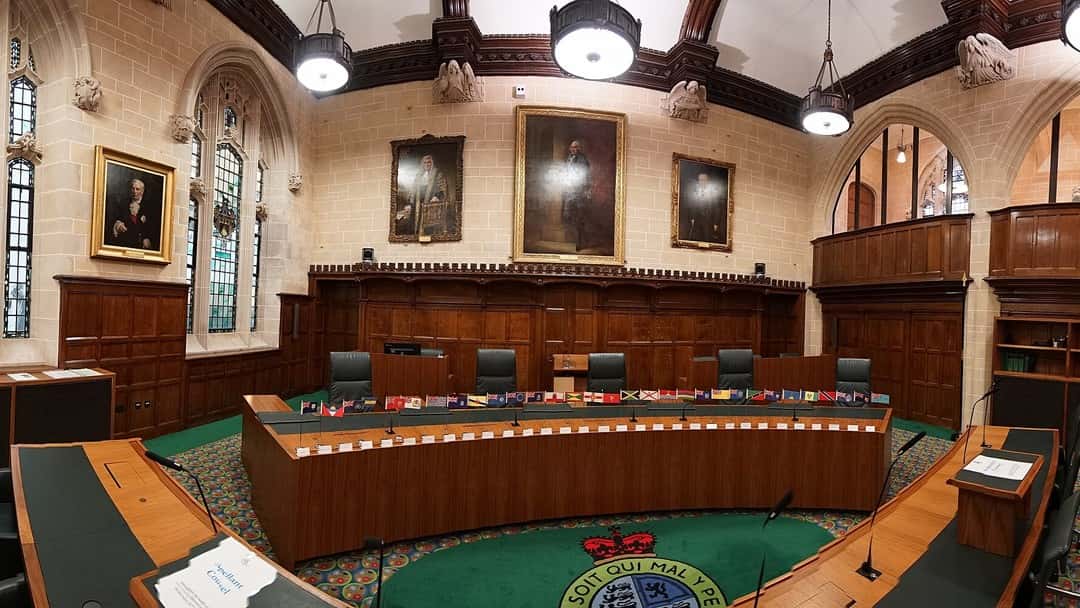
Magistrates' association highlights justice system risks

The Magistrates’ Association warns that the expansion of Out of Court Resolutions without oversight poses serious risks to justice integrity
The Magistrates’ Association is urging for immediate reform regarding Out of Court Resolutions (OOCRs), raising alarms about their inconsistent application. The use of these resolutions in serious cases, including assault against emergency workers, domestic abuse, and even knife crimes, has led to the emergence of what is described as a "shadow justice system." This situation threatens the transparency of the judicial process, the independence of the judiciary, and public trust in the justice system.
OOCRs were introduced by police forces as a means of addressing low-level, first-time offences, helping to alleviate the burden on courts. Sir Brian Leveson’s Independent Review of the Criminal Courts highlighted OOCRs as vital tools in reducing the court backlog. Recent crime statistics show that there has been a 10% rise in the use of OOCRs over the past year, reaching levels comparable to those in 2017. Despite this uptick, the Magistrates’ Association has expressed serious concerns regarding the absence of a consistent national framework for accountability and scrutiny.
Previous analyses have identified significant disparities and weak governance surrounding OOCRs across England and Wales, with little improvement noted since the Government’s draft code of practice for Diversionary and Community Cautions was introduced in August 2023. This lack of cohesive oversight contributes to a “postcode lottery” in decision-making, whereby offences that are effectively similar may receive drastically different responses depending on the region. Furthermore, since many OOCRs are not logged on the Police National Computer, magistrates might be uninformed of a defendant’s previous actions, leading to potential oversight of repeated offending patterns, particularly in serious instances of domestic abuse or stalking.
The unchecked increase in OOCRs poses a threat to fundamental justice principles, including:
• Open justice: Unlike court sentences, OOCRs lack public administration, leading to transparency and record-keeping issues.
• Judicial independence: Some OOCRs can mirror or surpass court powers without the same level of training and sentencing guidelines provided to magistrates.
• Consistency: The varied enforcement of OOCRs nationally harms fairness and diminishes public trust.
David Ford, National Chair of the Magistrates’ Association, stated that “Out of Court Resolutions have a place in a modern justice system, but their use is neither transparent nor consistent. We have a situation where police in some areas are imposing conditions that mirror court sentences – with little oversight and no public scrutiny. That risks creating a shadow justice system operating beyond the view of victims, other police forces, the public, and even the courts.” He added that “We’re calling on the Government to act now. OOCRs should complement the courts, not replace them. Only a clear national framework, proper accountability, and full visibility for magistrates will restore confidence and protect the integrity of judicial decision-making.”
To address these pressing issues, the Magistrates’ Association has outlined several recommendations for urgent reform:
- Clarify the boundaries between police and court powers, restricting OOCRs to genuinely low-level offences.
- Implement mandatory scrutiny in every police force through independent OOCR panels, producing publicly accessible quarterly reports.
- Establish statutory national oversight, ensuring uniform standards across local panels, jointly accountable to the Ministry of Justice and the Home Office.
- Enhance public transparency by having all forces publish clear definitions of OOCRs, along with their volumes and outcomes.
- Ensure full disclosure to magistrates regarding all previously issued OOCRs for defendants appearing in court.
- Create youth-specific scrutiny panels that consider the distinct needs of younger defendants.
The proposal for reform seeks to protect the community while ensuring that the justice system operates fairly and effectively for all involved.
 Copyright & permissions



.png&w=3840&q=60)