


Lawyer reflects on New York courts
By Umar Zeb
A London lawyer shares insights from his visit to a busy New York City Criminal Court
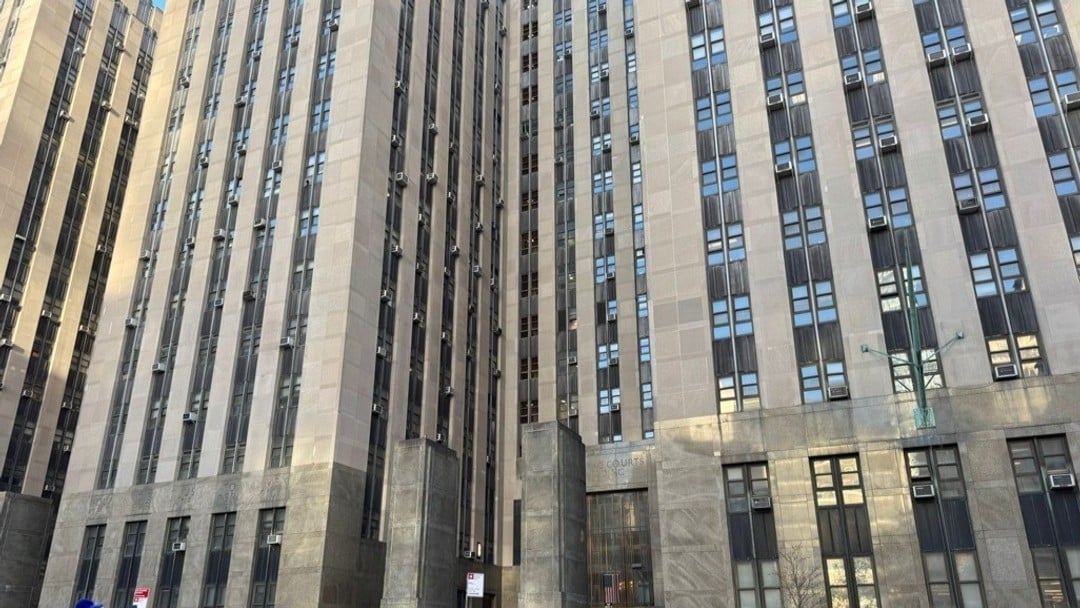
In the final week of November, I had the opportunity to visit the New York City Criminal Court in Manhattan, following an invitation from New York County Defender Services. As a criminal defence lawyer practising in London, observing another major justice system in operation offered a valuable perspective on how courts function under pressure, how security is managed, and how defendants are represented in a busy urban environment. During my visit, I observed a full court session and spent time speaking with experienced defence lawyers, including Chris Boyle of NYCDS. The exchange of professional perspectives was thoughtful and informative, particularly in light of the shared challenges faced by criminal justice systems in large cities.
One of the most striking observations was the standard of publicly funded defence work in New York. Far removed from popular Hollywood portrayals of the American criminal courts, the level of preparation, organisation and courtroom advocacy displayed by NYCDS lawyers was highly impressive. Despite operating within a public defence framework, they consistently matched the well-resourced District Attorney’s Office with skill, professionalism and commitment.
The contrast in court security between New York and London was also notable. In and around the Manhattan courthouse, a substantial and visible security presence was evident, creating a strong sense of safety without causing disruption or delay. Court staff were welcoming and efficient, clearly supported by the security arrangements in place. These reflections carry added weight following a recent fatal incident outside Willesden Magistrates’ Court in North West London, where a man was killed after attending court to support a family member. Legal professionals were narrowly unaffected, leaving many deeply unsettled by what occurred.
Attacks in and around London courts are not rare. The comparatively limited security means that lawyers and court staff are regularly exposed to harassment, abuse and violence. Weapons can and do enter court buildings. I have personally found a knife in a cell previously occupied by a prisoner, an experience that was both unprecedented and deeply concerning. I have also witnessed police officers being violently assaulted inside court buildings.
Police liaison officers play a vital role in London courts, supporting both serious incidents and the daily coordination between police investigations and court proceedings. Most courts are staffed by only one or two such officers, yet these roles are now being reduced due to budget pressures, despite having existed for almost 50 years. This has caused widespread concern amongst lawyers, prosecutors, judges, magistrates and court staff.
Concerns about safety are reflected in recent findings from the Magistrates’ Association, with a significant number of magistrates reporting that they do not feel safe while carrying out their duties. The issues raised include physical attacks, threats from public galleries, faulty safety equipment and insecure court premises.
I was also struck by the order and efficiency of the criminal process in New York. Defendants were brought before the court within 24 hours, bail decisions were acted on immediately, and cases involving mental health concerns were addressed with a clear sense of structure and accountability. Court behaviour was calm and controlled, with clear warnings in place and no filming or disruptive conduct.
While many court security staff in England and Wales are knowledgeable and committed, inconsistent training and limited legal protections can undermine their effectiveness. What is needed is ongoing training, clearer legal safeguards and improved support for those responsible for keeping court users safe. I am grateful to the staff of New York County Defender Services for their invitation and for the valuable professional exchange that took place. Experiences such as this are essential in improving understanding of the challenges faced by those working within the criminal justice system and the clients they serve
 Copyright & permissions