

Commission to review government lobbying practices
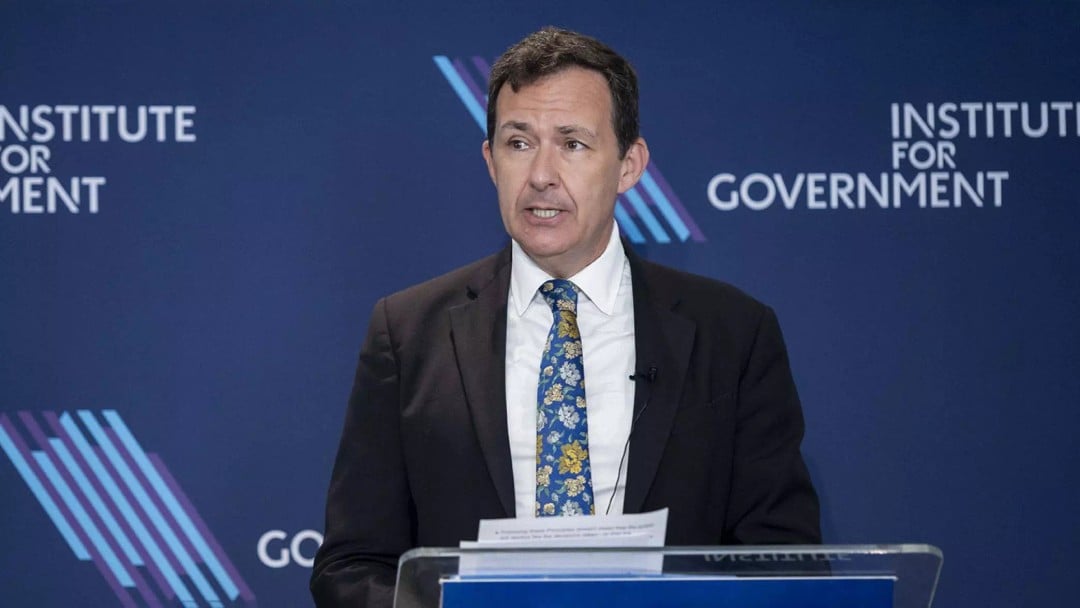
The Ethics and Integrity Commission has been tasked by the Prime Minister to examine lobbying practices and transparency in government
In response to ongoing concerns about trust in public life, the Prime Minister has instructed Doug Chalmers, chair of the Ethics and Integrity Commission (EIC) to conduct a comprehensive review of lobbying, disclosure, and access to government. This decision comes on the heels of a scandal involving Peter Mandelson and his ties to Jeffrey Epstein, which has caused significant public outcry and prompted a reevaluation of existing ethical standards.
The Chief Secretary to the Prime Minister recently announced new measures aimed at restoring public confidence in governmental processes. While details surrounding the Mandelson-Epstein situation are now under police investigation, the incident has highlighted a need for broader scrutiny and reform within the government’s framework for maintaining standards.
Previously, several steps have already been undertaken to address these concerns, such as enhancing the authority of the Independent Adviser, imposing financial penalties for violations of the Ministerial Code, revising severance compensation, and tightening regulations concerning gifts and hospitality. Additionally, the Duty of Candour Bill is in progress, which seeks to ensure transparency and truthfulness in government practices henceforth.
Moreover, the Hereditary Peers Bill is poised to reform the House of Lords and will include provisions for removing peerages from individuals who behave egregiously. The government is also advocating for a ban on secondary employment for MPs, with only specific exceptions. Notably, the Representation of the People Bill introduced recently proposes transformative reforms aimed at improving political finance transparency and combating foreign electoral interference, with significant recommendations expected from the Rycroft Review on this topic.
As stated by the Chief Secretary, "we can still do more" to fortify standards in public life. The review initiated by the EIC will scrutinise whether current disclosure practices regarding financial interests for ministers and senior officials are adequate, the effectiveness of the government's lobbying transparency measures, and the sufficiency of the Business Appointment Rules in mitigating inappropriate influence within government.
The terms of reference for the EIC's review will address several pivotal areas including the adequacy of existing arrangements for declaring financial interests, government transparency regarding lobbying activities, and the effectiveness of rules governing post-employment activities. The review aims to gather input from parliamentarians, members of the public, and various stakeholders to ensure a comprehensive evaluation.
Expected to report back by May 2026, the review's findings will be made public, demonstrating the government’s commitment to accountability and higher standards in public service. This initiative reflects a growing demand for transparency and integrity within governmental systems and the broader political landscape.
 Copyright & permissions