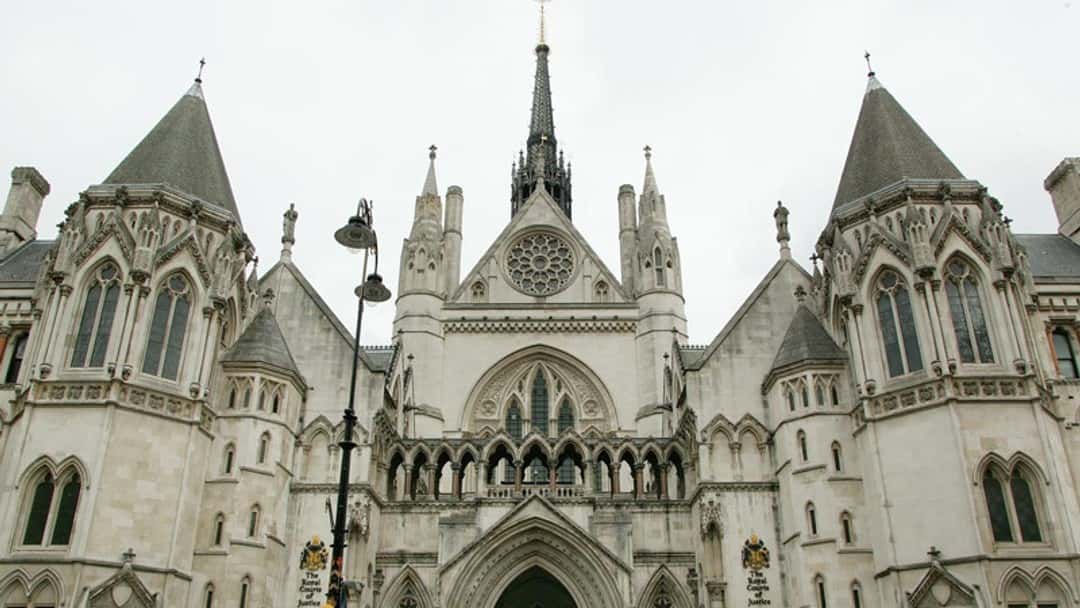
Benjamin Field murder conviction quashed as Court of Appeal finds causation directions unsafe
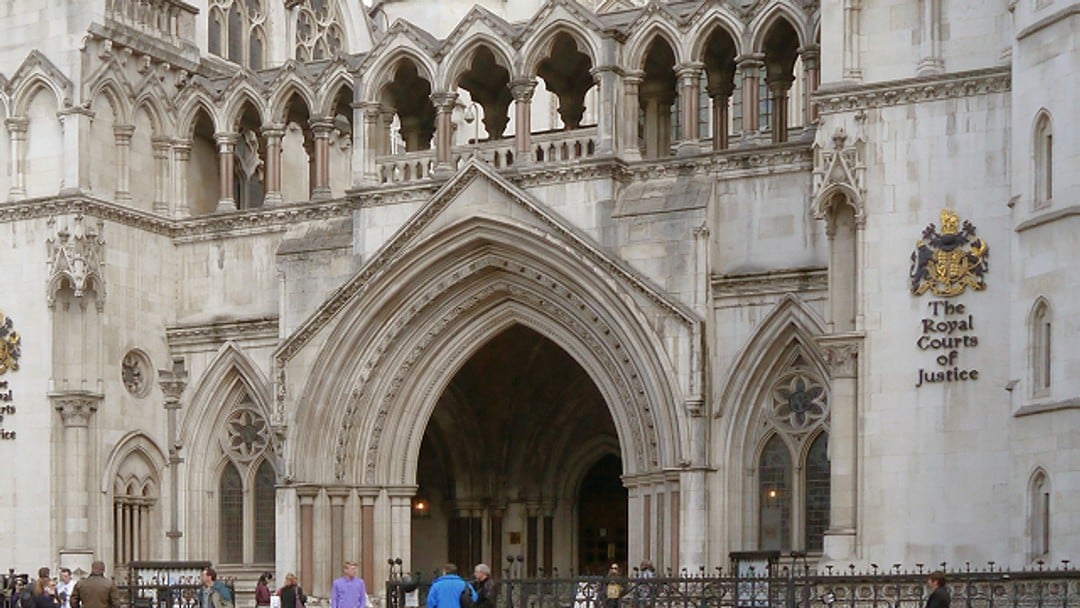
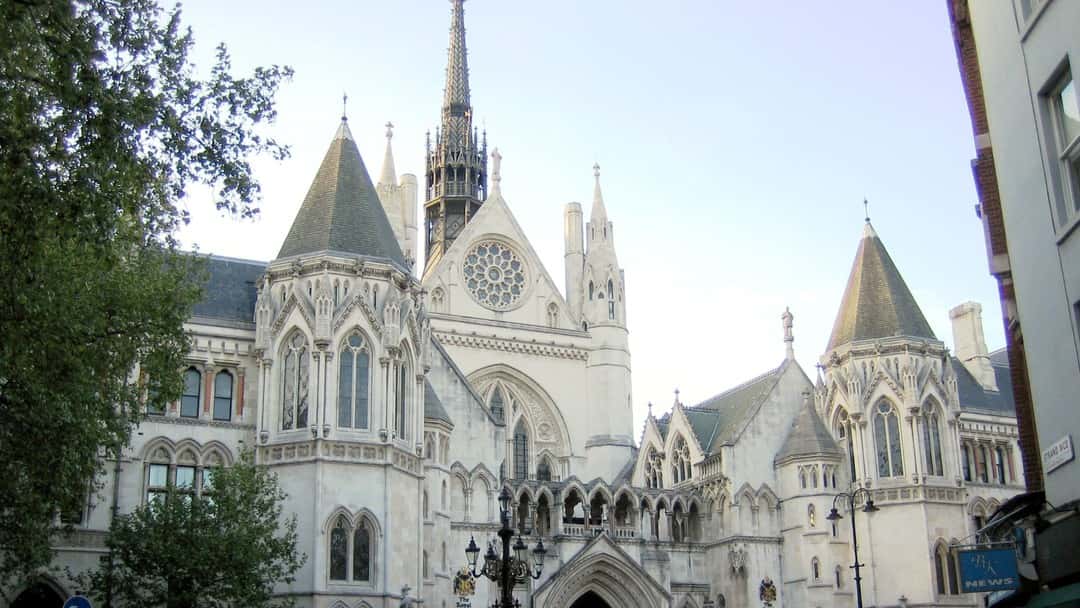
The murder conviction of Benjamin Field has been quashed following a Criminal Cases Review Commission reference, with the court finding the trial judge misdirected the jury on causation.
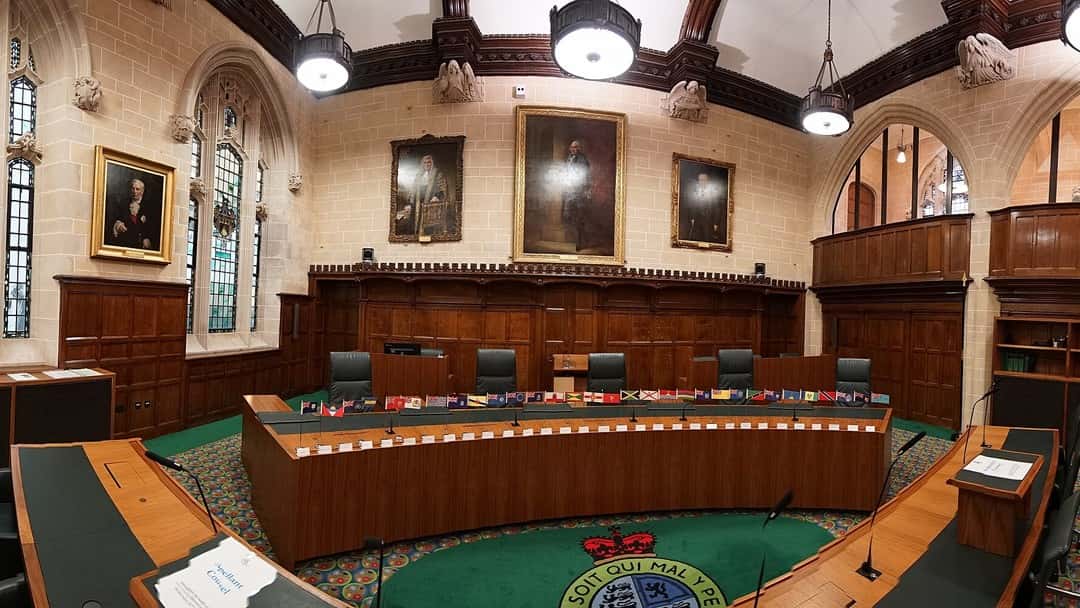
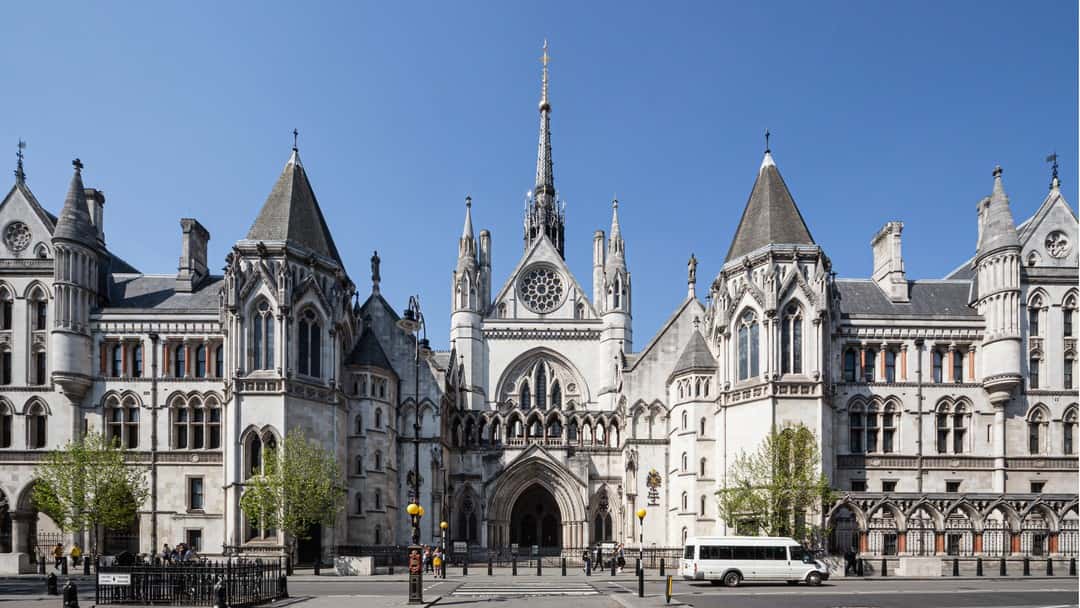
The Court of Appeal has quashed the murder conviction of Benjamin Field, who was found guilty in 2019 of killing Peter Farquhar, a 69-year-old retired teacher and novelist found dead at his home in Maids Moreton in October 2015. The judgement, handed down by Lord Justice Edis (Vice-President), Mr Justice Goose and Mr Justice Butcher, follows a reference by the Criminal Cases Review Commission dated 28 August 2025 — the third time the conviction has come before an appellate court.
The prosecution's case was that Field, who had fraudulently cultivated a relationship with Farquhar in order to inherit under his will, murdered him by providing alcohol and/or the sedative Dalmane and/or by smothering him. The expert evidence established that death was caused by the combination of alcohol and Dalmane. Field's fingerprints and DNA were found on the glass and whisky bottle recovered from the scene.
The central issue on appeal was whether the judge's directions to the jury on causation were correct in law. The directions told the jury that if Field had given Farquhar alcohol with intent to kill, Farquhar's act of drinking it could amount to a cause of death — unless Farquhar had drunk knowing that Field intended to kill him. The judge's reasoning, upheld by the first Court of Appeal in 2021 ([2021] EWCA Crim 380), was that Farquhar's decision to drink was not "free, voluntary and informed" because Field's undisclosed murderous intention had changed the nature of the act he was embarking upon.
The court in the present appeal disagreed, finding that this analysis impermissibly departed from the principles established by the House of Lords in R v Kennedy (No 2) [2007] UKHL 38. Under that authority, the voluntary act of an adult will break the chain of causation unless it is shown to be other than free, deliberate and informed. Lord Bingham's opinion confirmed that the criminal law generally treats informed adults as autonomous beings: a defendant is not treated as causing a victim to act where the victim makes a voluntary and informed decision to do so. The court held that Farquhar's ignorance of Field's state of mind did not render his decision to drink the whisky involuntary in the legally material sense. There was no evidence that Farquhar believed himself to be in danger from drinking whisky — something he did regularly — and no evidence that Field had done anything amounting to "administering" the alcohol within the meaning of the Offences Against the Person Act 1861.
Beyond the point of principle, the court identified a further and distinct flaw in the directions: the jury was never actually required to decide whether Farquhar's decision to drink was free, deliberate and informed. The phrase "even if Peter Farquhar agreed to drink it" effectively withdrew that question from them. The court drew on the Supreme Court's recent decision in Hayes & Palombo [2025] UKSC 29, which emphasised the critical importance of leaving proper questions of fact to the jury.
A third ground related to the "and/or" formula used throughout the route to verdict, which permitted the jury to convict on the basis that smothering alone had caused death, when the expert evidence contained no pathological support for that conclusion. The jury was also never directed to make a specific finding about whether Dalmane had been covertly administered — a route which, if established, would have rendered the causation question about the whisky unnecessary.
The court certified two questions of law of general public importance for the Supreme Court: first, whether the trial judge's directions were right in law; and second, whether either the first or third Court of Appeal erred in their understanding and application of Kennedy (No 2), and whether any reconsideration of that decision is required. Leave to appeal has been granted. The court noted the potential relevance of the certified questions to cases in which homicide is alleged to have resulted from suicide following prolonged domestic abuse.
A retrial has been ordered. Field remains in custody pending the outcome of the Supreme Court appeal and, if that appeal fails, the retrial itself.
 Copyright & permissions